
Timberland Men’s Polarized Sport Sunglasses for Daily Driving
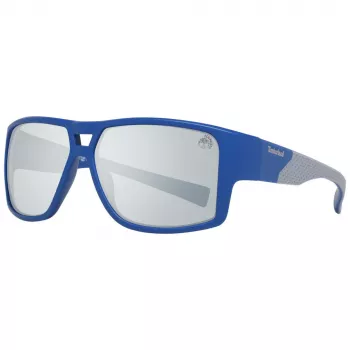
Timberland Men’s Polarized Sport Sunglasses: Everyday Glare Control for Active Days
Bright sun is only half the problem—glare off water, pavement, and windshields is what makes eyes work overtime. Our team recommends sport-leaning polarized shades for the days you’re constantly moving: commuting, walking, weekend errands, and outdoor time where comfort and clear vision matter. Timberland Men’s Polarized Sport Sunglasses are built to be a grab-and-go pair you can actually live in, not “occasion-only” eyewear that stays in a drawer.
Below, we’ll walk through what polarized sport sunglasses are best at, how to get a fit that stays put, and the care habits that keep lenses clear longer.
What these sunglasses are made for
Sport sunglasses earn their keep in real routines—quick transitions, changing light, and lots of on/off moments. A pair like Timberland Men’s Polarized Sport Sunglasses is typically a smart fit when you need durability and comfort more than a fashion-only frame.
- A sport-leaning, wear-anywhere pair designed for active routines rather than delicate “occasion-only” eyewear.
- Polarized lenses help cut harsh reflected glare—especially noticeable near water, on roads, and on bright concrete.
- A practical choice for daily carry: keep them in the car, in a work bag, or by the door for quick grab-and-go protection.
- Best for: driving, walking, casual outdoor sports, travel days, and long afternoons outside.
Why polarization matters (and when it’s most noticeable)
Polarized lenses are designed to reduce horizontal glare—the blinding “sheet of light” that bounces off flat surfaces like water, asphalt, and glass. The result is often less squinting and a calmer-looking scene, especially in harsh midday sun.
- For driving: reduced windshield and road glare can make the view feel less washed out and easier to scan.
- For water and snow: glare reduction can improve comfort and help edges and texture stand out (ripples, curbs, packed snow).
- For long wear: less squinting can feel easier on your eyes over a full day outdoors.
- Good to know: some digital screens can look darker or show rainbow patterns with polarization depending on the display angle.
| Situation | What glare looks like | What polarized lenses can improve |
|---|---|---|
| Driving | Bright reflections off the hood/road and surrounding cars | Clearer contrast and reduced harsh reflections |
| Near water | Sparkling, intense surface glare | More comfortable viewing and less squinting |
| City walking | Glare off glass buildings and pavement | Softer brightness and better visual comfort |
| Outdoor work/errands | Constant shifting reflections | More consistent visibility across changing light |
Comfort and fit for an active day
A sport silhouette typically aims for stable, secure wear—useful when you’re moving between indoors/outdoors, bending down, or simply staying on the go. If you want your sunglasses to feel “set and forget,” fit matters as much as lens quality.
- Fit check in 30 seconds: frames should sit level, not pinch at the temples, and not slide when you look down.
- Coverage matters: a slightly more wrapped feel can reduce side glare and wind, improving comfort outdoors.
- Nose and temple comfort: if pressure points show up after 10–15 minutes, change the fit approach (different placement, a retainer strap, or a different size category).
- Driving note: make sure the frame doesn’t block peripheral checks when you turn your head to merge or change lanes.
Lens and protection basics to look for
Polarization is about glare. UV protection is about safeguarding your eyes from ultraviolet exposure—both matter for outdoor wear. For straightforward guidance on UV protection, the American Academy of Ophthalmology is a reliable resource, and the FDA also explains labeling and lens information.
- UV protection is non-negotiable: tint darkness alone does not equal UV protection.
- For bright, sunny days: a darker tint often feels more comfortable in open sun.
- For variable light: a balanced tint helps keep shaded areas from feeling overly dim.
- For everyday durability: cleaning lenses correctly helps prevent micro-scratches that can create haze and halos in strong light.
How to use them for driving, travel, and outdoor routines
The best polarized sunglasses are the ones you’ll actually keep within reach and protect from damage. A few small habits make a big difference in daily convenience.
Care that keeps lenses clear longer
In-stock picks from our team
- Timberland Men’s Polarized Sport Sunglasses — everyday polarized glare reduction for commutes, walking, and outdoor time.
- Diamond Rhinestone Steering Wheel Cover — an easy way to add grip and comfort for longer drives and daily errands.
- Car Emblem Light Eyebrow Stickers for Nissan — a simple add-on for drivers who like personalized exterior details.
A simple way to decide if these are the right pick
FAQ
Do polarized sunglasses also protect against UV rays?
Polarization reduces glare, while UV protection is a separate feature that protects your eyes from ultraviolet exposure. For outdoor wear, you want sunglasses that provide UV protection in addition to polarization.
Are polarized lenses good for driving?
Yes—polarized lenses can reduce harsh reflections from the road, hoods, and surrounding vehicles, which can make driving feel more comfortable in bright conditions. Be aware that some digital screens may appear darker or show patterns at certain angles.
What is the safest way to clean polarized lenses without scratching them?
Rinse lenses first if there’s dust or grit, then use a clean microfiber cloth and lens-safe cleaner. Avoid paper towels, clothing, and household cleaners that can cause scratches or damage coatings.











Leave a comment