
Diesel D-Strukt Slim Fit Jeans: Fit, Sizing & Care
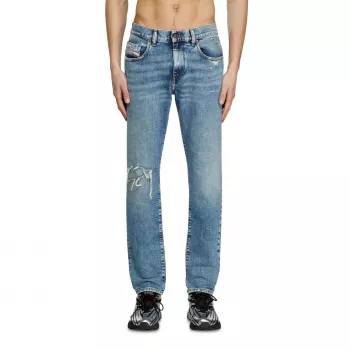
Diesel D-Strukt Slim Fit Jeans: A Streamlined Pair for Everyday Rotation
Diesel’s D-Strukt slim fit is built for a clean, modern silhouette that still feels like denim should—structured, easy to style, and ready for repeat wear. Our team put together this guide to make your decision simple: how the fit should feel, how to size with fewer guesswork moments, what to wear with a slim leg, and the care habits that help denim stay crisp longer.
What the D-Strukt slim fit brings to a wardrobe
If you want a jean that looks intentional without looking like you tried too hard, the D-Strukt slim fit earns a spot in the weekly lineup. It’s the kind of pair you can default to on a busy morning and still feel pulled together.
- A slim profile that reads sharp without looking overly tight when sized correctly.
- A versatile shape that works with casual sneakers, boots, and smarter shoes depending on the top layer.
- A dependable “default jean” option: easy to dress up with a jacket or keep relaxed with a tee.
- Best suited for anyone who wants a tailored look through the leg while keeping a classic 5-pocket jean feel.
If you’re building a capsule rotation, a slim jean like this is often the bridge between casual and smart casual—clean enough for a nicer layer, still straightforward enough for everyday wear.
Fit guide: how a slim fit should feel
Slim fit works when it’s close to the body but not fighting you. The goal is a smooth line through the leg, not stress lines and constant adjusting.
- Waist: secure without pinching; the waistband should sit flat with no gapping at the back.
- Seat and thigh: close to the body, but movement should still feel natural when sitting or climbing stairs.
- Knee to hem: a consistent, streamlined line; stacking at the ankle depends on inseam and footwear.
- If the knee area pulls or the pockets flare, sizing up (or adjusting inseam) usually improves the drape.
Quick fit check before keeping the tags on
| Fit area | What to look for | If it feels off |
|---|---|---|
| Waistband | Flat and secure | Try the next waist size up/down |
| Seat | No sagging, no strain lines | Adjust waist or consider a roomier cut |
| Thigh | Comfortable bend at the knee | Size up if restrictive |
| Length | Break sits where preferred on shoe | Hem or choose a different inseam |
Sizing and measurement tips that prevent returns
The easiest way to land the right size is to start with what already works for you—then compare consistently. Our team recommends measuring a favorite pair on a flat surface and using those numbers as your anchor.
- Use a pair of jeans that already fits well as the baseline: measure waist, rise, and inseam on a flat surface.
- Prioritize waist and thigh fit first; length is easier to tailor than a tight upper leg.
- If between sizes, decide based on how the jeans will be worn most: snug with minimal layering vs. comfortable for all-day wear.
- Plan for real-life movement: sitting, driving, and walking should not feel like a constant adjustment.
A practical rule: if you love the look of a slim fit but hate the feeling of “being poured into” your jeans, give yourself a touch more room in the thigh. You can always hem for a cleaner ankle, but you can’t tailor comfort into a too-tight top block.
Outfit formulas that suit a slim jean
A slim leg looks best when the rest of your outfit supports the clean line—either by staying refined up top or by adding balanced volume with outerwear.
- Everyday: plain tee or henley + overshirt + low-profile sneakers for a clean outline.
- Smart casual: knit sweater or button-down + minimal leather belt + boots or sleek trainers.
- Layered cold-weather look: hoodie + structured coat; keep footwear slightly chunkier for balance.
- Color strategy: pair with neutrals (black, gray, navy, white) for an easy rotation, then add one standout layer (jacket, scarf, or shirt).
If you’re choosing between shoe profiles, slim jeans typically pair best with shoes that have a defined shape: clean sneakers, lace-up boots, Chelsea boots, and streamlined trainers. If your footwear is bulky, keeping the hem from stacking too much helps the proportions look intentional.
Care routine for keeping denim looking crisp longer
Good denim care is mostly about reducing unnecessary stress: less friction, less heat, and fewer washes. For any specific fabric blend or finish, follow the care label; in the U.S., labeling guidance is covered under the Federal Trade Commission’s Care Labeling Rule.
If you want brand-level care guidance and finish details, Diesel’s official site is a helpful reference point: Diesel Official Website.
When the D-Strukt is the right pick (and when it isn’t)
In stock at our store
- Diesel D-Strukt Slim Fit Jeans
- Diamond Rhinestone Steering Wheel Cover
- Christmas Ceramic Dinner Plate
FAQ
How should slim fit jeans fit in the thigh and calf?
They should sit close to your leg without restricting movement, with no pulling lines at the crotch or knee when you walk or sit. If bending your knee feels tight or the fabric strains across the thigh, sizing up usually improves comfort and drape.
Should denim be washed after every wear?
No—washing after every wear typically fades denim faster and can shorten its lifespan. Spot-clean when you can, and when you do wash, turn them inside out and use cold water on a gentle cycle.
What’s the easiest way to choose the right inseam length?
Measure the inseam of a pair you already like, then decide the look you want: no break, slight break, or a bit of stacking at the ankle. If the upper fit is right, hemming the length is usually the simplest adjustment.















Leave a comment