
Self-Cleaning Cat Litter Scoop & Base: Tidy Daily Care
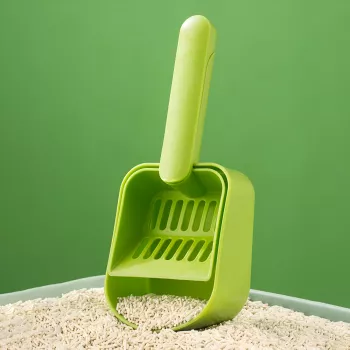
Plastic Cat Litter Scoop with Self-Cleaning Base for Faster, Cleaner Daily Scooping
Daily litter box upkeep is one of those small tasks that adds up—especially when clumps stick, litter dust spreads, or the scoop has nowhere clean to rest. Our plastic cat litter scoop with a self-cleaning base is designed to make the routine quicker and tidier: sift, tap, dock, and move on—without setting a dirty scoop on the floor or hunting for a spare bag to catch crumbs.
What makes a self-cleaning base scoop different
A standard scoop works, but it usually leaves you with one lingering question: “Where do I put this now?” A scoop with a self-cleaning docking base is built for the in-between moments—right after you lift clumps out and before the next time you clean.
- Docking base keeps the scoop contained between cleanings, reducing stray granules around the litter box area.
- Self-cleaning action helps knock off clinging litter from the scoop surface when you return it to the base, so the next use starts cleaner.
- Plastic construction stays lightweight and is easy to rinse after a deeper clean.
- A simple “scoop → sift → dock” flow supports consistent daily maintenance, which helps control odor and keeps the box more inviting for cats.
Consistent cleaning also supports good litter box habits. If you’re troubleshooting box avoidance or accidents, resources like the ASPCA guidance on litter box problems and Cornell’s overview of house soiling are helpful starting points.
A quick routine for easy, efficient litter box cleaning
If you want the litter area to stay consistently manageable (instead of turning into a weekend “project”), aim for a fast daily reset. Here’s a routine our team recommends for most homes:
- Step 1: Scoop clumps and solid waste once or twice daily to prevent breakdown and tracking.
- Step 2: Use short, gentle shakes to sift clean litter back into the box; avoid aggressive shaking that can kick up dust.
- Step 3: Tap the scoop lightly on the box edge to release clumps (skip hard banging, which can crack some litter pans).
- Step 4: Dock the scoop in the self-cleaning base right away—this keeps residue contained and discourages drips or crumbs on the floor.
- Step 5: Empty waste into a small bag and seal promptly; wash hands after every clean.
- Weekly: Do a quick rinse/wipe of the scoop and base to prevent buildup; let them dry fully before returning to the litter area.
Daily scooping checklist
| Task | How long it takes | Why it helps |
|---|---|---|
| Remove clumps/solids | 1–3 minutes | Keeps odors down and reduces tracking |
| Sift clean litter back | 30–60 seconds | Cuts waste and extends litter life |
| Dock scoop in base | 5 seconds | Contains residue and keeps the area neater |
| Quick floor check | 30 seconds | Stops litter from spreading through the home |
Where this scoop fits best in real homes
A docking base is one of those small conveniences that matters most in everyday constraints—tight layouts, multiple pets, or a high-traffic litter area.
- Small-space setups: Bathrooms, laundry rooms, and closets benefit from a scoop that has a dedicated “resting spot.”
- Multi-cat households: Faster resets between boxes help you keep up with higher daily output.
- Busy schedules: A tidy docking base removes one more step (finding a clean place for the scoop).
- Odor-sensitive homes: Cleaner tools help avoid the “dirty scoop smell” that can linger even after the waste is removed.
- New cat parents: A straightforward tool reduces friction while you build a consistent cleaning habit.
Care tips to keep the scoop and base fresh
The base helps keep things contained between uses, but a quick hygiene routine keeps the entire setup feeling “clean,” not just “less messy.”
Choosing the right litter tool for your litter type
Product pick: a simple upgrade that keeps the area tidy
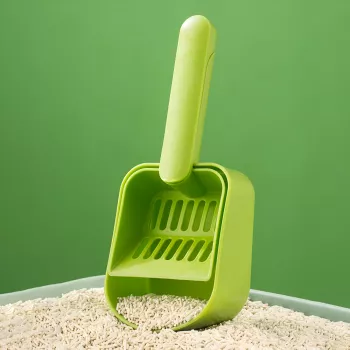
If you’re ready to make daily scooping feel less annoying and less messy, our team’s pick is the Plastic Cat Litter Scoop with Self-Cleaning Base – Easy & Efficient Litter Box Cleaning Tool. It’s a practical, low-fuss option for daily resets—especially if you’re tired of balancing a used scoop on the edge of the box or wiping up scattered crumbs afterward.
At-a-glance guide
| Feature | What it does for you |
|---|---|
| Self-cleaning base | Helps reduce residue on the scoop and keeps mess contained |
| Dock-and-store design | Gives the scoop a dedicated place between cleanings |
| Plastic build | Lightweight handling and easy rinsing |
| Daily-use friendly | Supports quick, consistent litter maintenance |
More in-stock picks you can add to your cart
- Christmas Ceramic Dinner Plate
- Diamond Rhinestone Steering Wheel Cover
- Car Emblem Light Eyebrow Stickers for Nissan
FAQ
How often should a litter box be scooped?
For most homes, scooping at least once daily is the baseline, and twice daily is often easier in multi-cat households. Keeping the routine consistent helps control odor and can encourage regular litter box use.
Does a self-cleaning base replace washing the scoop?
No—think of the base as a between-cleans helper that reduces residue and keeps the area tidier. You’ll still want to rinse and periodically wash the scoop and base to maintain hygiene and keep odors from building up.
What’s the easiest way to reduce litter tracking during cleanup?
Use gentle sifting to minimize dust, dock the scoop immediately so crumbs stay contained, and do a quick floor check right after you finish. Adding a small mat by the box and wiping stray granules regularly also helps.














Leave a comment